



Introduction: The Pressure No One Talks About
The journey to becoming a Chartered Accountant is known for its rigor — the endless audit hours, client deadlines, and exam stress.
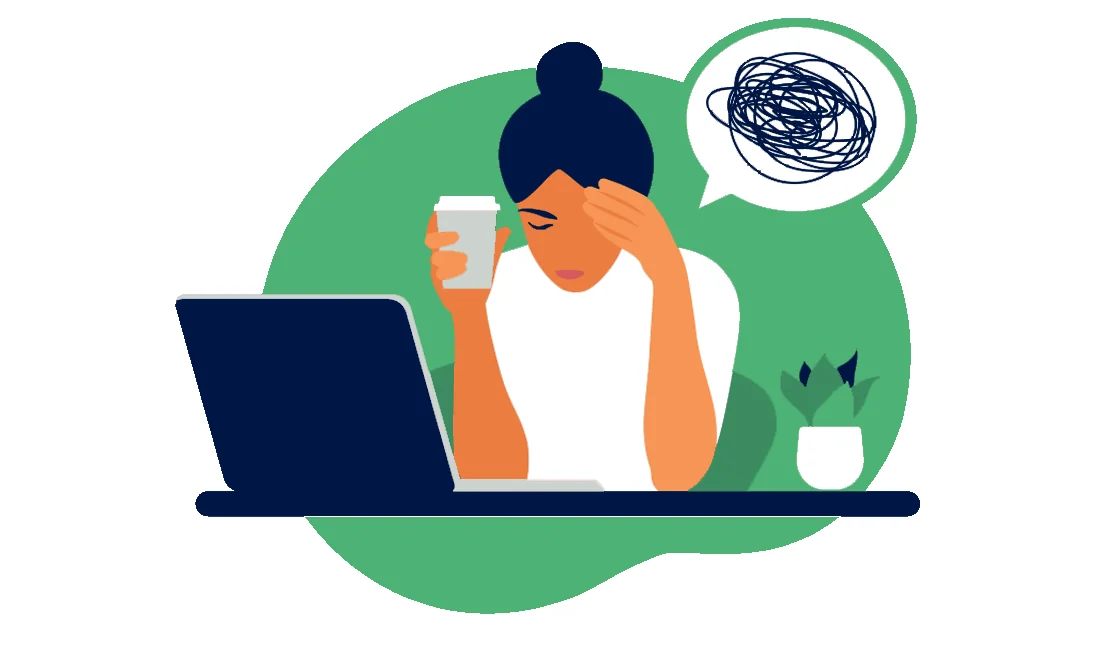
But behind every audit file and tick mark, there’s a human being quietly fighting another kind of challenge — mental exhaustion.
While technical training gets all the attention, mental health often gets left behind. It’s time we talk about the emotional toll of articleship — and why acknowledging it is not weakness, but wisdom.
1. The Silent Struggle
Articleship can be overwhelming — especially in the early stages. You’re expected to learn everything at once:
- Professional behavior
- Client handling
- Audit documentation
- And still keep up with ICAP studies
It’s a lot.
For many trainees, this transition feels like stepping into a storm without a map. You show up every morning with a smile, but inside, you’re exhausted, anxious, or unsure of where you stand.
This is not just “toughening up” — it’s chronic stress, and it needs to be recognized.
2. Why It Hits So Hard
The CA path is unique — you’re a student and a professional at the same time.
That dual identity creates constant internal conflict:
- “I have to perform well in office.”
- “I can’t fall behind in studies.”
- “I need to prove myself to seniors.”
- “I have to pass next attempt.”
It’s a mental tug-of-war.
When sleep becomes a luxury and burnout becomes a norm, it slowly chips away at your confidence and motivation.
You’re not alone in feeling that way — you’re human, not a balance sheet.
3. The Culture of Silence
In most firms, talking about stress or anxiety is still considered “unprofessional.”
Trainees fear being labeled as weak or “not committed enough.”
But the irony is — those who speak up are often the ones most committed to improving themselves.
The truth is, mental health issues don’t mean lack of strength; they often come from caring too much, pushing too hard, and never allowing yourself to pause.
4. Recognizing the Signs
Mental health challenges rarely show up dramatically. They start quietly:
- You lose interest in things you once enjoyed.
- You dread going to work or opening books.
- You feel constantly tired, even after rest.
- You begin comparing yourself to others — endlessly.
If this sounds familiar, it’s okay. Recognizing it is the first step toward recovery.
5. What You Can Do
Here’s what you can actually do to protect your mental well-being during articleship:
🕒 1. Set Boundaries
You can’t pour from an empty cup. Learn to say no when work overload becomes unhealthy.
💬 2. Talk to Someone
Find a mentor, a friend, or even an online peer from CAOnline’s community. Sharing lightens the load.
🏃 3. Move Your Body
Even a 20-minute walk helps clear your head and release built-up stress.
📝 4. Journaling Helps
Write what you feel — it’s therapy on paper. You’ll be surprised how much it clears your mind.
😌 5. Don’t Tie Your Worth to Results
Failing an attempt or missing a deadline doesn’t define your value. Your effort does.
6. The Role of Firms and Mentors
Audit firms and seniors can make a huge difference.
A culture that encourages breaks, empathy, and communication creates stronger professionals — not weaker ones.
When seniors check in on juniors, or when firms offer flexibility during exam season, it builds loyalty and human connection that no policy manual can match.
Empathy is not a management strategy — it’s leadership.
7. The CAOnline Perspective
At CAOnline, mental health is seen as a pillar of professional excellence.
The platform aims to create:
- Support circles where trainees can share experiences safely
- Wellness webinars by psychologists and senior CAs
- Motivational mentorships for those struggling silently
Because success without well-being isn’t real success — it’s survival.
Conclusion: You’re Not Alone
If you’re going through a tough phase, remember — you’re not the only one who feels this way.
Every CA you admire has fought the same inner battles, doubted themselves, and still made it through.
You don’t have to “tough it out” alone.
You just need to reach out, reset, and remind yourself why you started.
You’re not just becoming a Chartered Accountant —
you’re becoming someone strong enough to balance life itself.