

Introduction: Beyond Survival — Toward Reinvention
After years of inflationary shocks, currency swings, and policy uncertainty, Pakistan’s economy is entering a new phase — one defined not just by recovery, but by reinvention.
For decades, Pakistan’s growth story revolved around textiles and agriculture — dependable but narrow engines.
Now, as inflation cools and macro stability returns, a new wave of sectors — from tech startups to renewable energy — is quietly reshaping the country’s real economy.
It’s not just a shift in output.
It’s a shift in mindset — from traditional industry to digital innovation, from import dependence to value creation.
The Old Guard: Textiles Still Reign, But…
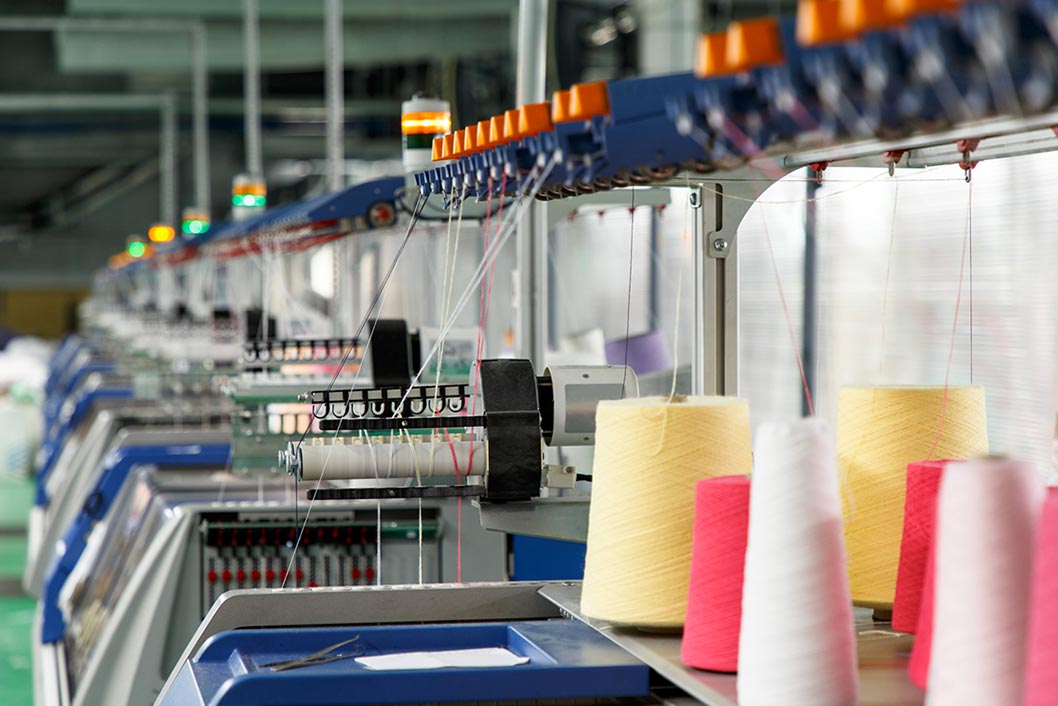
Let’s start with reality — textiles remain the backbone of Pakistan’s exports, contributing over 50% of total foreign exchange earnings.
The sector employs millions and anchors major industrial cities like Faisalabad, Karachi, and Lahore.
But it’s also stretched thin:
- Energy costs remain volatile.
- Global demand is shifting to sustainability and tech-integrated production.
- Margins are squeezed by regional competitors like Bangladesh and Vietnam.
Post-inflation, textile manufacturers are realizing that surviving on low-cost labor and subsidies is no longer viable.
They must innovate, digitalize, and diversify — or risk being left behind.
The New Contenders: Tech, Services, and Knowledge Industries
Here’s where Pakistan’s economic narrative is evolving.
Between 2021 and 2025, the services and digital sectors have grown faster than any other segment of GDP.
Key growth drivers:
- 📱 IT and Freelance Exports: Crossing $3.5 billion, led by software houses, fintech startups, and digital outsourcing.
- ⚡ Renewable Energy Projects: Solar and wind initiatives gaining traction, reducing import dependence on fuel.
- 🏗️ Construction & Real Estate: Demand rebounding as remittance-driven investments stabilize post-inflation.
- 📦 E-commerce and Logistics: Riding on digital payments and young consumer demographics.
- 🧠 Education & Skill Platforms: A surge in online learning, professional courses, and edtech platforms — including those like CAOnline.pk that connect learning with employability.
This transformation marks the rise of the “knowledge economy” — where intellectual capital replaces traditional labor as the key production driver.
Inflation’s Unintended Consequence: Efficiency
Ironically, the inflation wave forced Pakistani businesses to become leaner and more efficient.
As costs skyrocketed:
- Firms cut waste, automated processes, and optimized supply chains.
- Startups focused on solving real problems — energy, logistics, and financial access — instead of vanity apps.
- Exporters began integrating technology into manufacturing and compliance.
In short, the economic pain triggered productivity innovation — something policy alone could never achieve.
Foreign Investment: Slowly Returning
After a lull during the high-inflation years, investor sentiment is cautiously improving.
Recent signs include:
- GCC and Chinese capital entering industrial zones and tech parks.
- Multilateral funding for green infrastructure and SME modernization.
- Private equity interest in agritech, fintech, and BPO sectors.
However, for this inflow to sustain, policy consistency, legal protection, and energy reform remain non-negotiable.
Investors now seek not just incentives, but institutional credibility.
The Rural Factor: Agri-Tech & Inclusive Growth
Agriculture still employs over 35% of Pakistan’s workforce.
Post-inflation, the sector is seeing a new kind of investment — technology-driven agriculture.
From drone mapping and smart irrigation to digital crop insurance, agri-tech startups are bringing modern tools to small farmers.
These innovations are boosting yields, improving export quality, and integrating rural Pakistan into the digital economy.
That’s the real economic inclusion — when the farmer and the founder share the same ecosystem.
The Youth Dividend: Pakistan’s Hidden Strength
With over 60% of the population under 30, Pakistan’s demographic structure is uniquely positioned for transformation.
The younger workforce is:
- Digitally native
- Entrepreneurially inclined
- Globally connected
Platforms like DigiSkills, National Incubation Centers, and CAOnline.pk are bridging the gap between education and employment.
When aligned with consistent macro policy, this youth energy could become the single most powerful growth driver of the next decade.
Policy Priorities: Turning Momentum into Maturity
To sustain this shift, Pakistan’s policymakers must go beyond firefighting inflation.
Here’s what’s needed next:
- Lower Cost of Capital: Gradual monetary easing to revive private investment.
- Export Diversification: Incentivize high-value services, not just commodities.
- Tech Infrastructure: Expand broadband and data center capacity.
- Tax Reform: Simplify compliance and bring digital businesses into the net transparently.
- Human Capital Development: Link academia, industry, and certification programs.
In essence, the goal should be to turn resilience into competitiveness.
Conclusion: The New Face of Pakistan’s Economy
Pakistan’s economic story is no longer confined to looms and cotton fields — it’s being rewritten in co-working spaces, solar farms, data hubs, and startup accelerators.
The post-inflation era has taught one lesson loud and clear:
“Real strength doesn’t come from stability alone — it comes from adaptability.”
If policymakers stay disciplined and businesses keep innovating, Pakistan could finally transition from a textile-based economy to a tech-enabled powerhouse —
where growth is not only sustained, but sustainable. 🌾💻📈
